Rubble and Dust
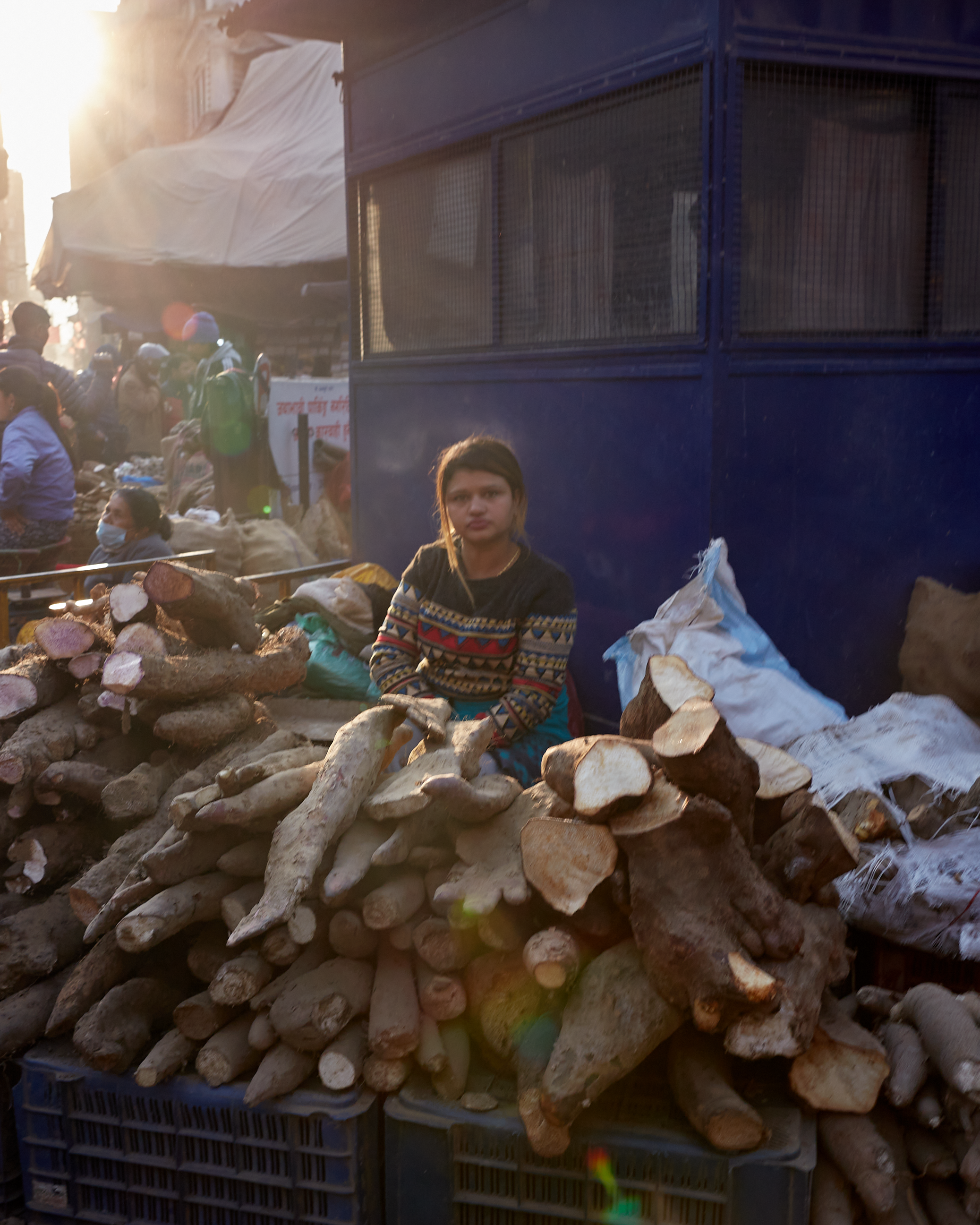
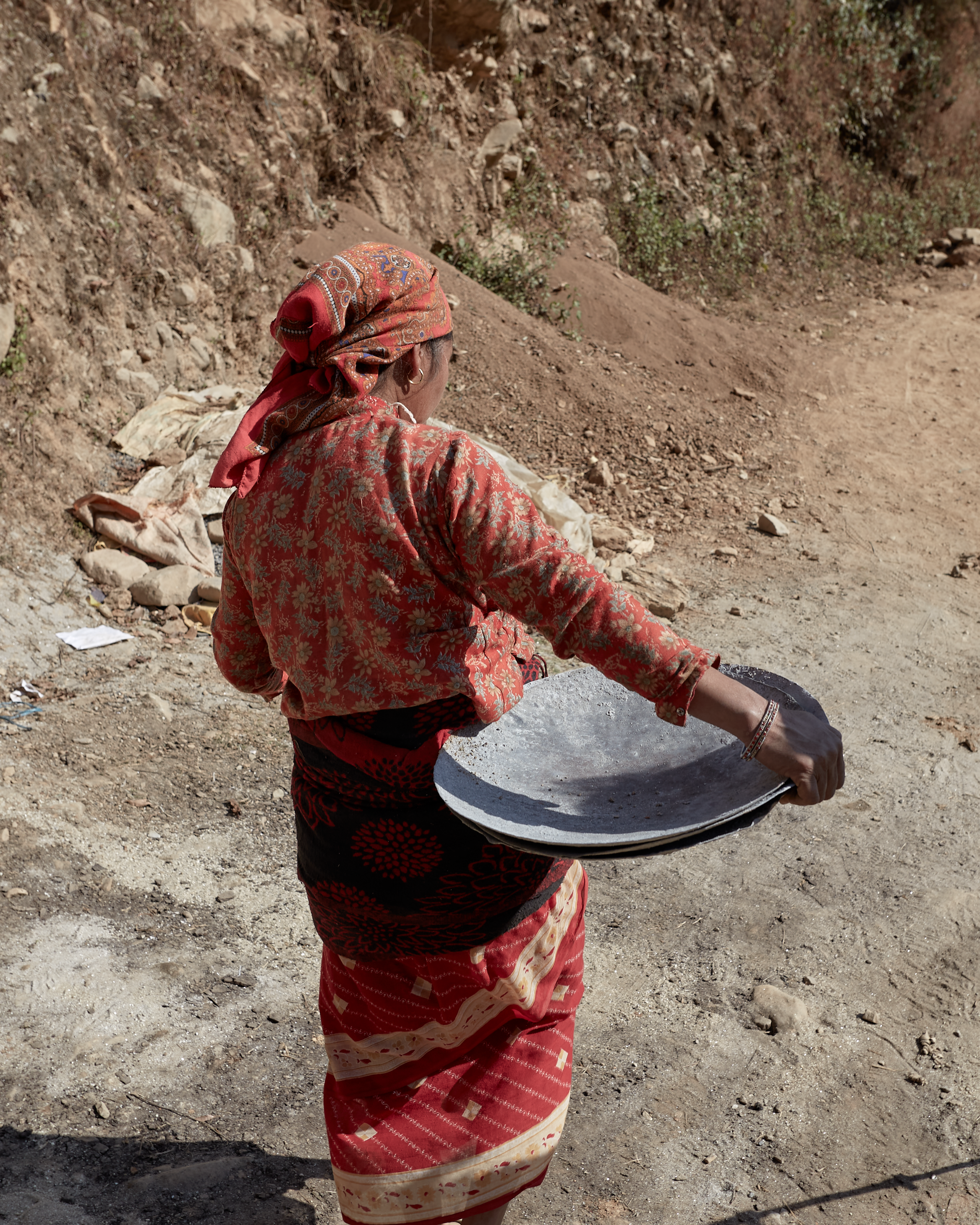
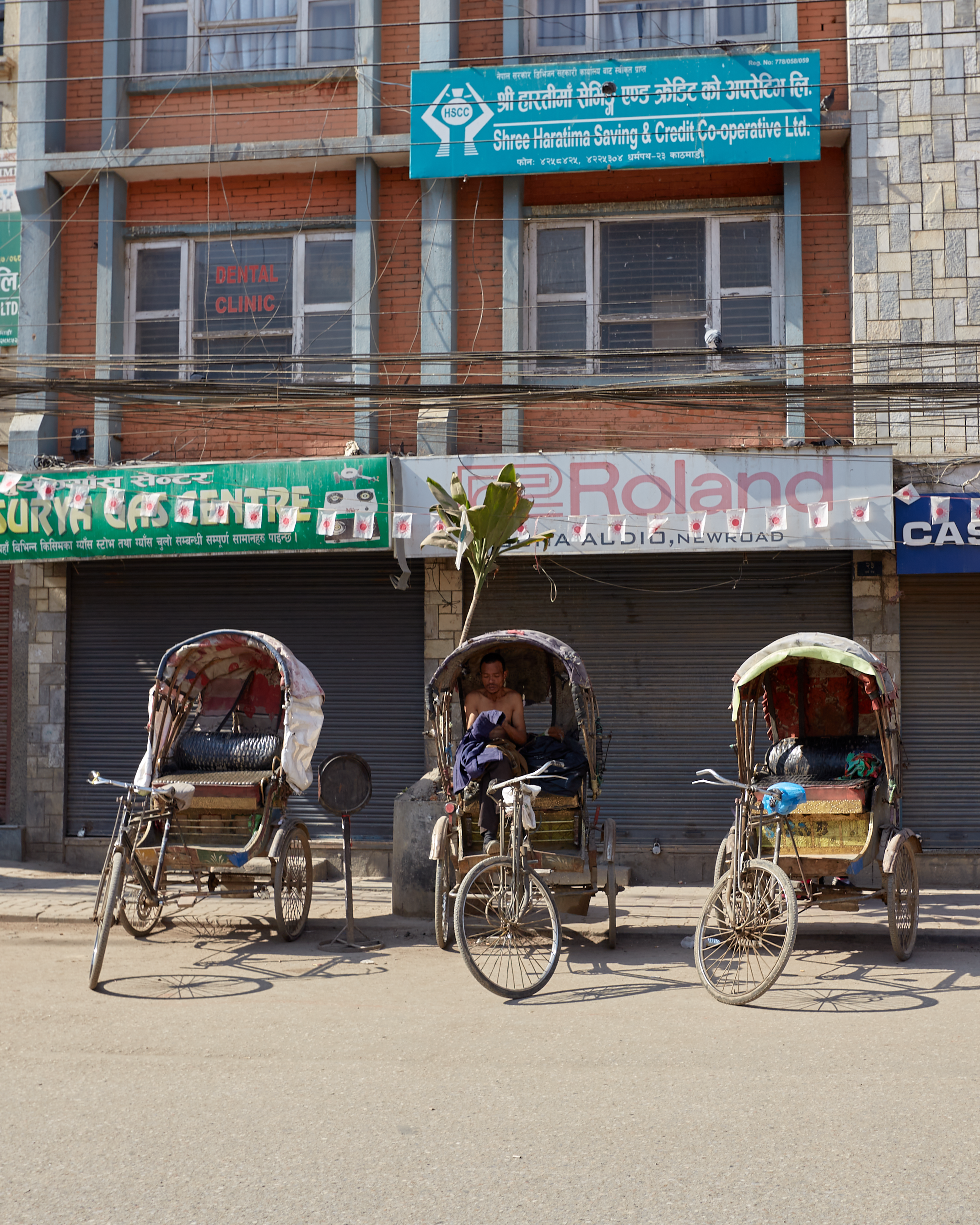
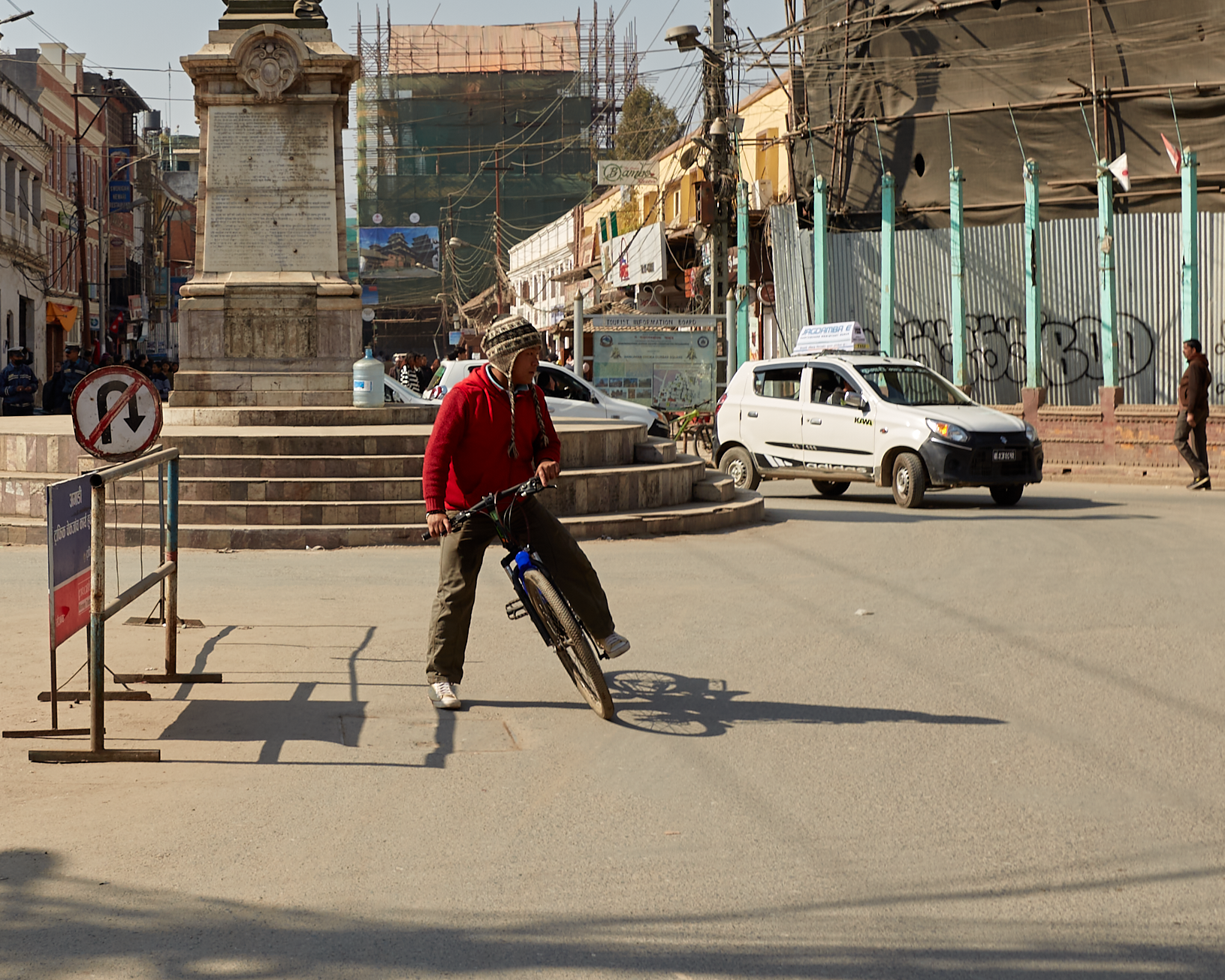
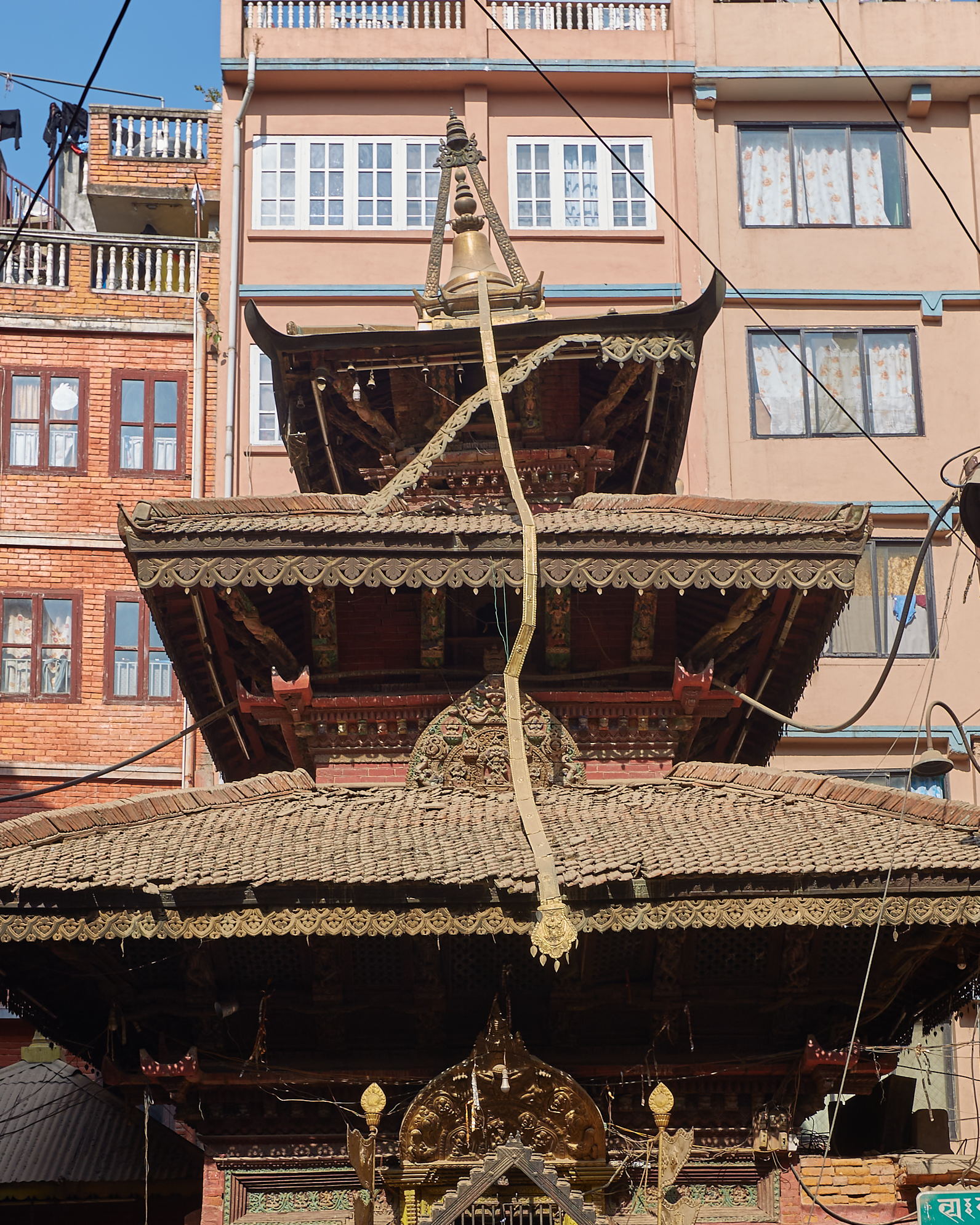
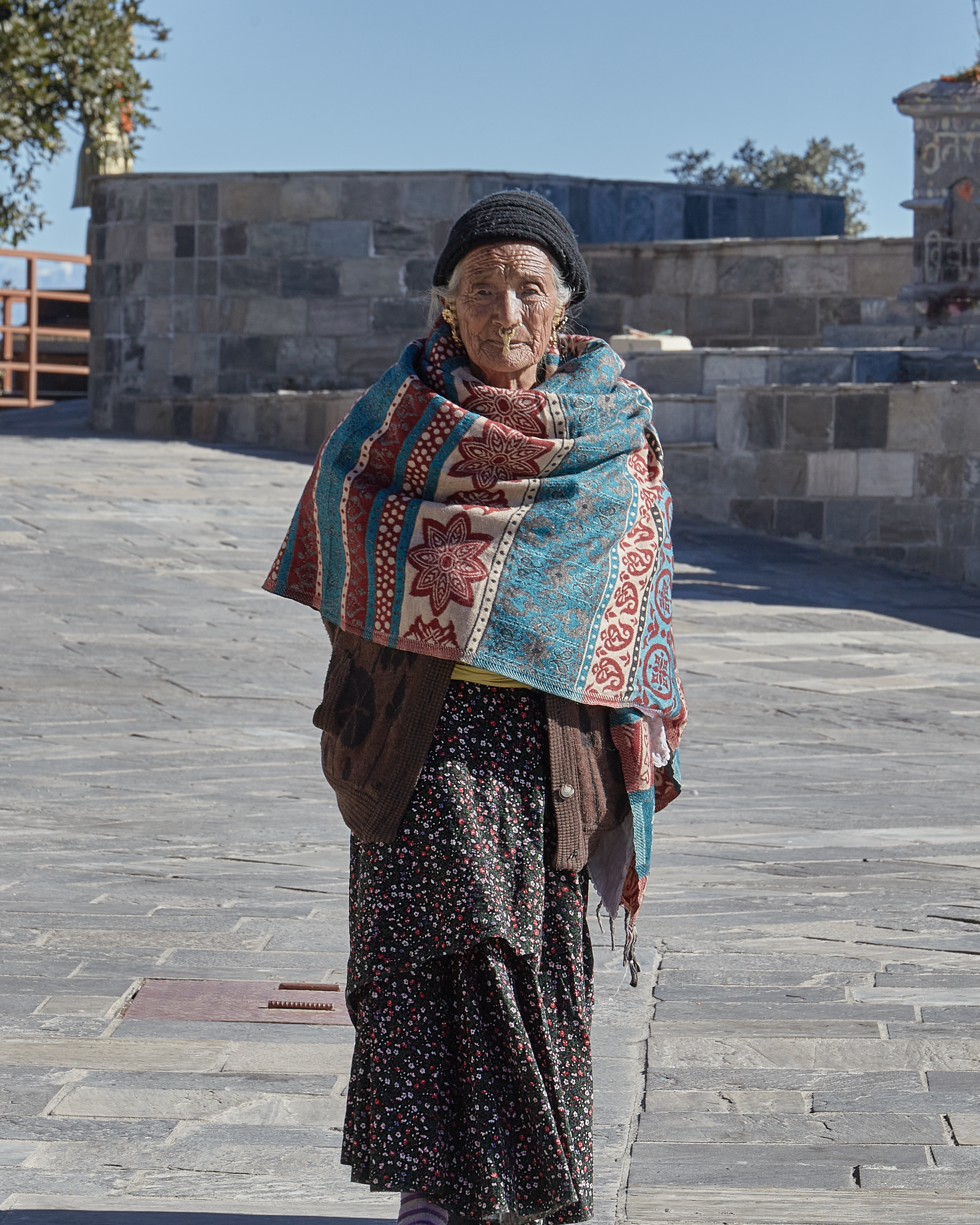
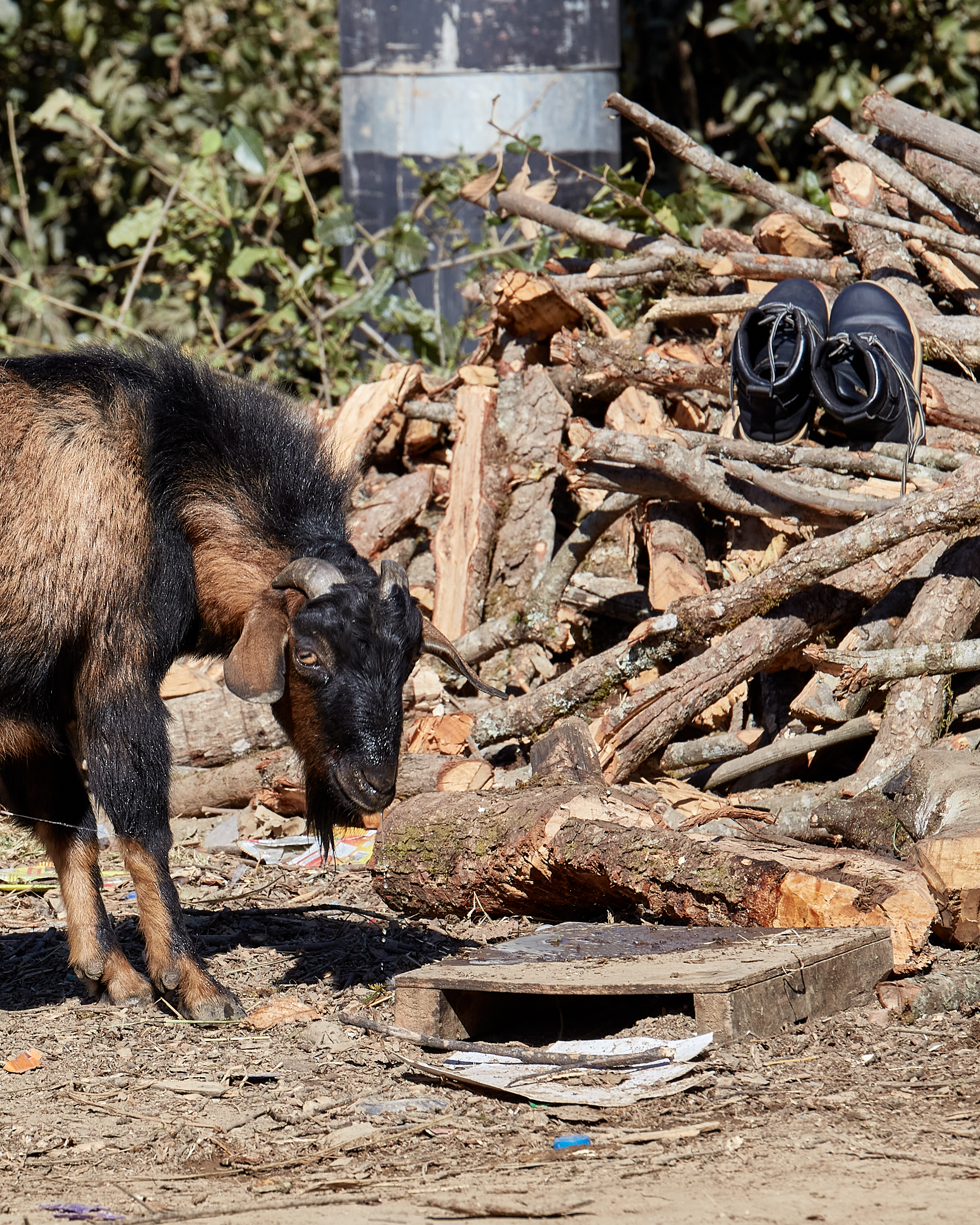
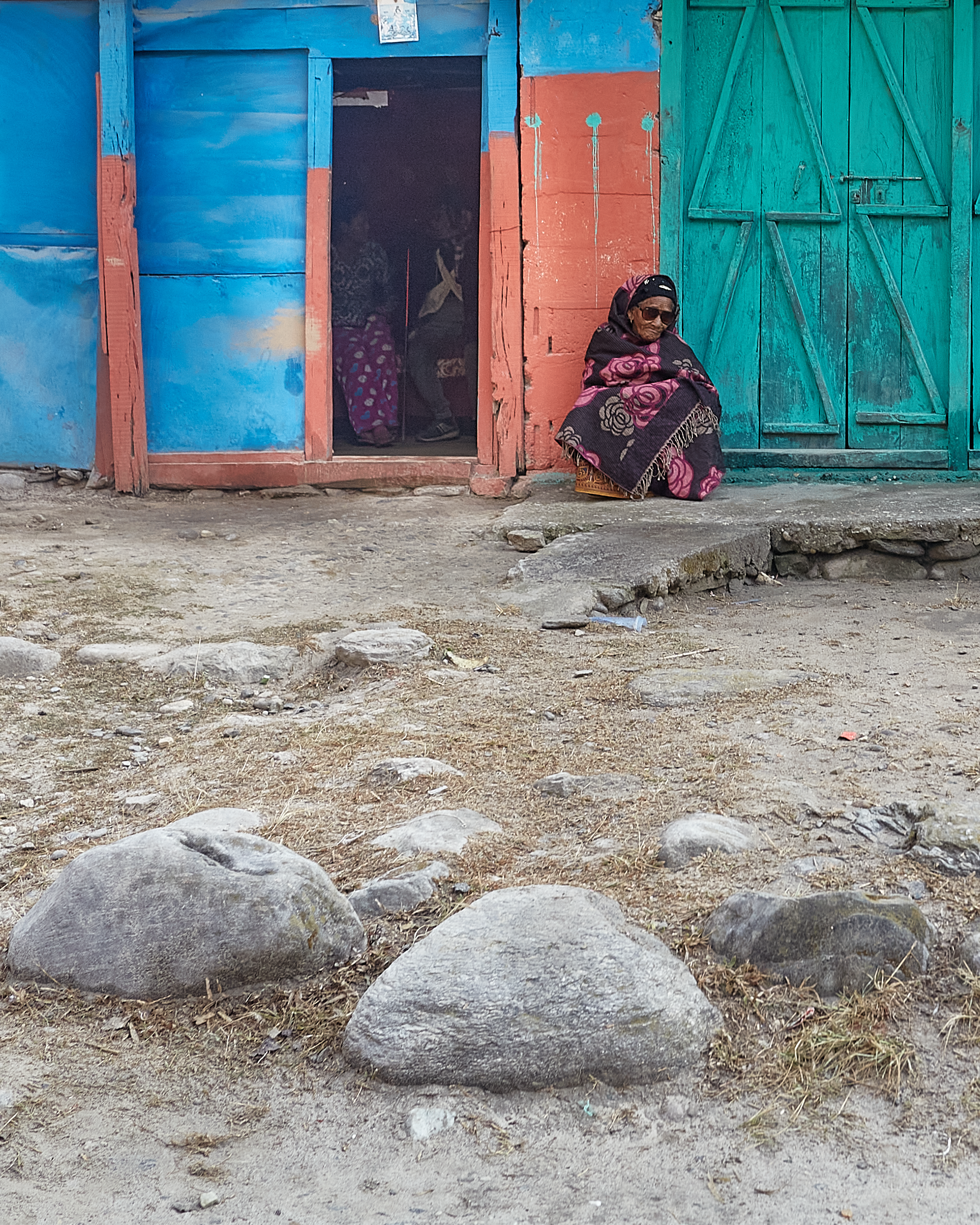
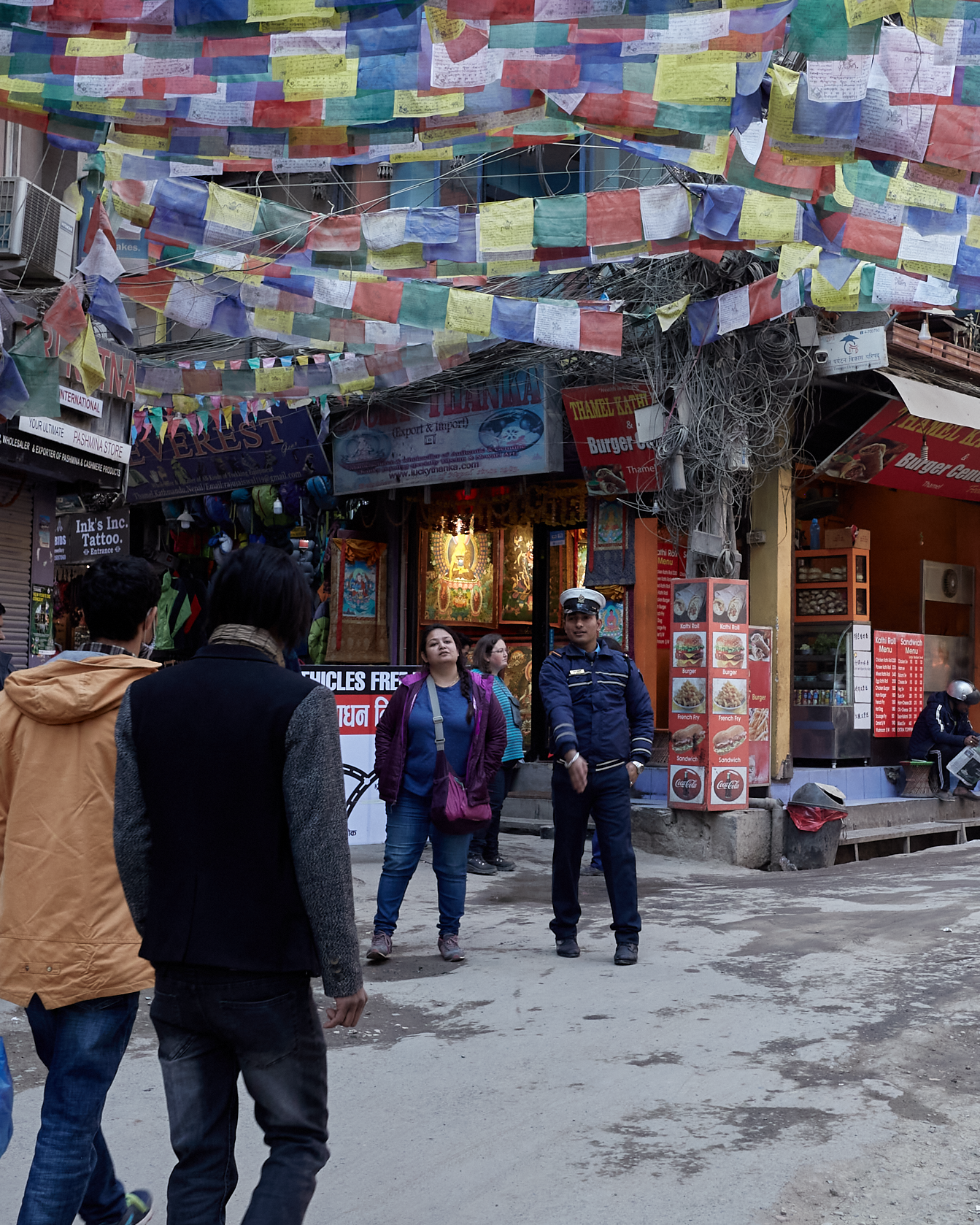
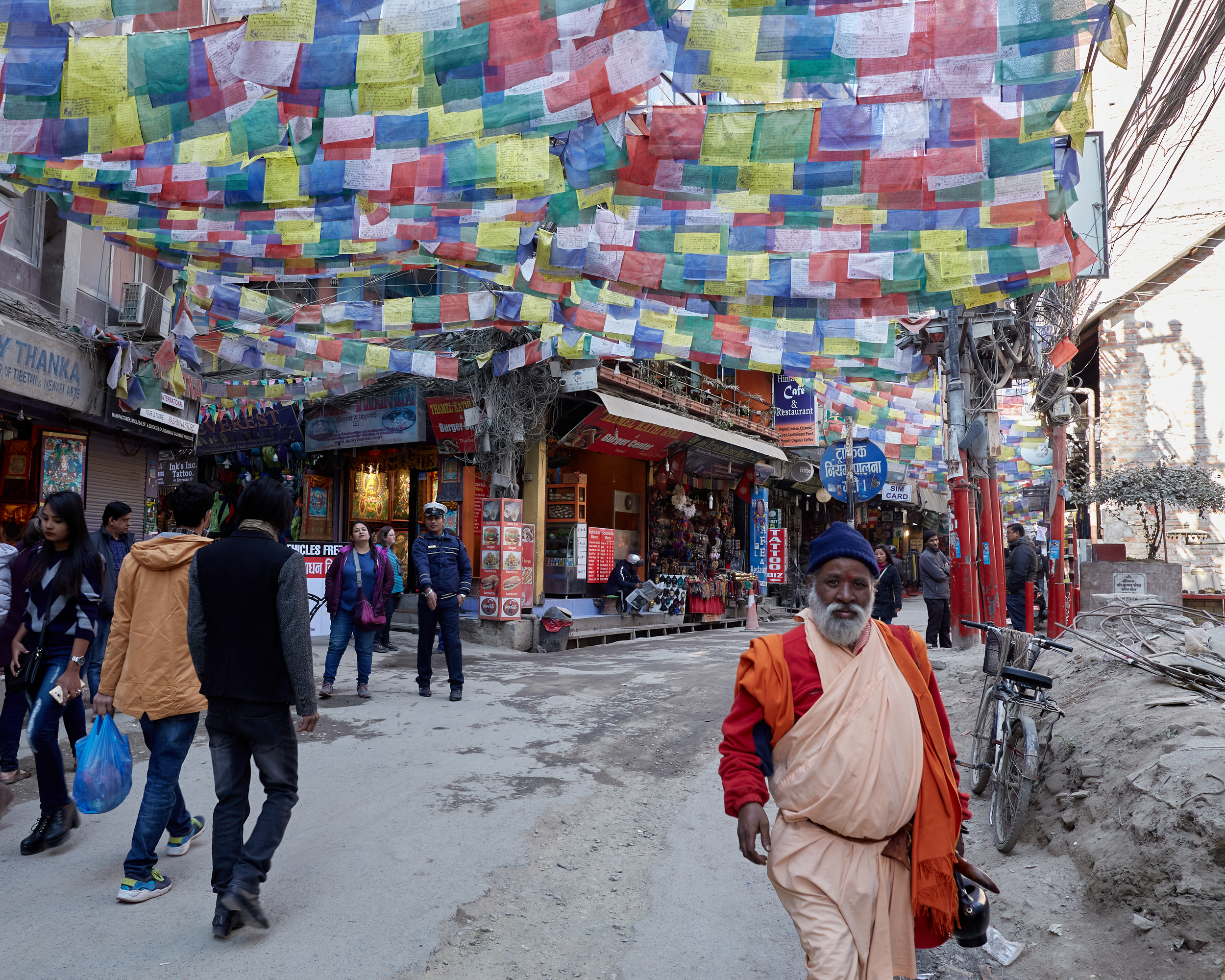
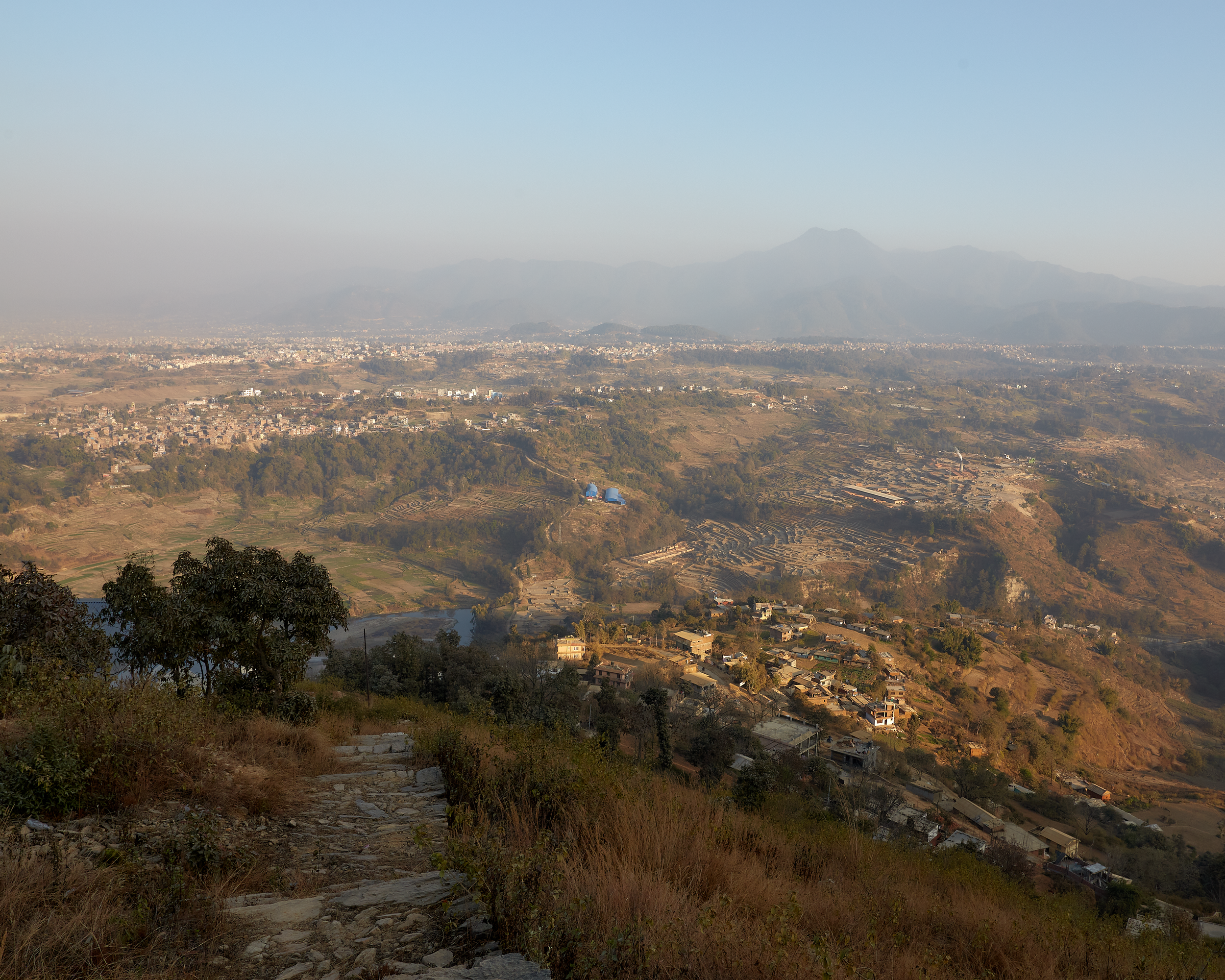
In 2018, I travelled to Nepal and lived there with family for around five weeks. At the time, I found it a difficult country to travel in, dry, dusty, bumpy travel, with extremely poor air quality. I had been travelling already for around seven months and I was tired. On reflection, the beauty of the discomfort really shines through, and the obvious reasons for the discomfort I experienced lie purely in the socio-economic effects of natural disasters on developing countries. I travelled to Kathmandu three years after the Gorkha earthquake, and the level of destruction and rubble that was still evident on every corner was confronting. However, it is the rubble and dust filling the streets and air, which brought a magical haze to the city at dawn and dusk, that created the discomfort but also the beauty in the imagery.
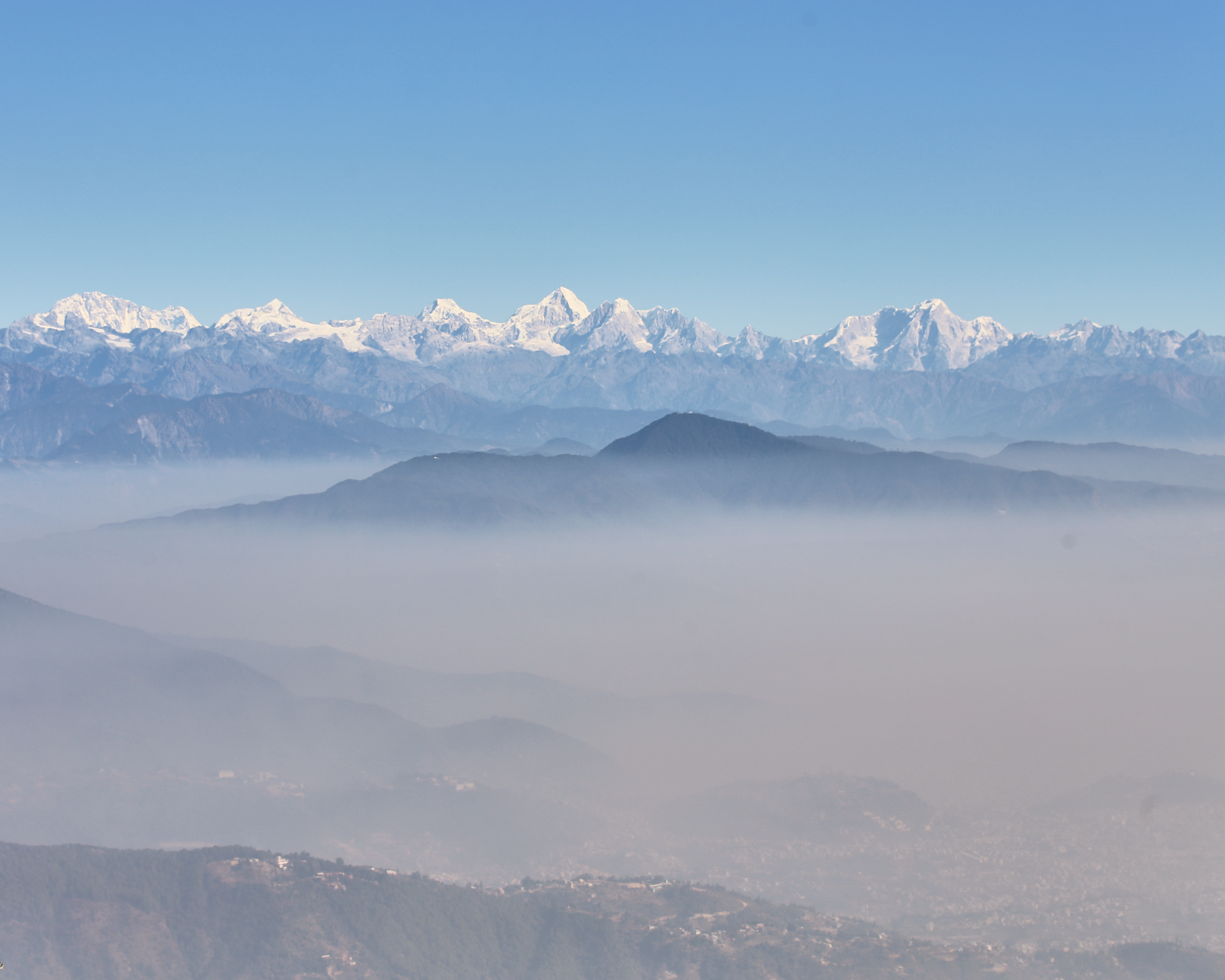
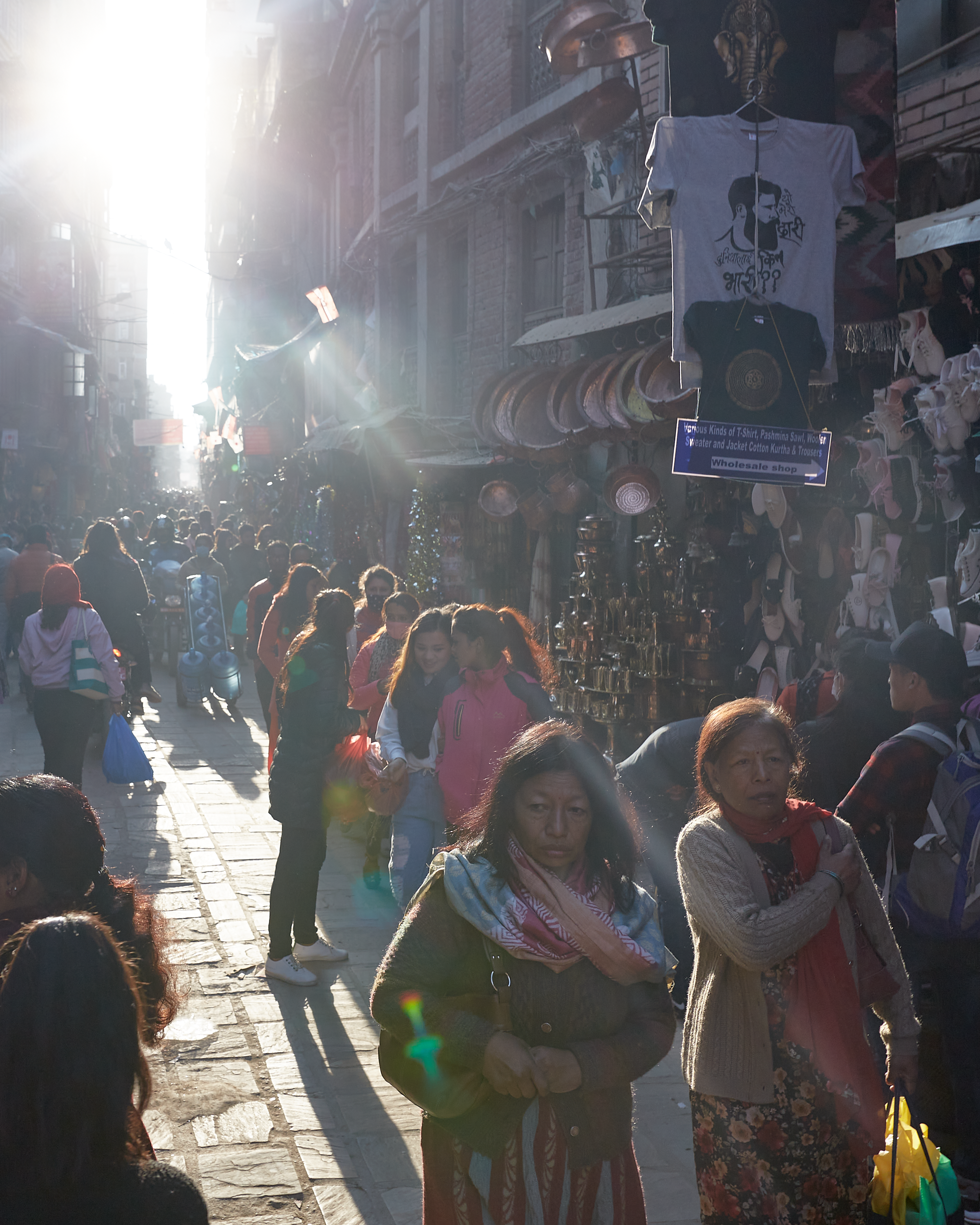
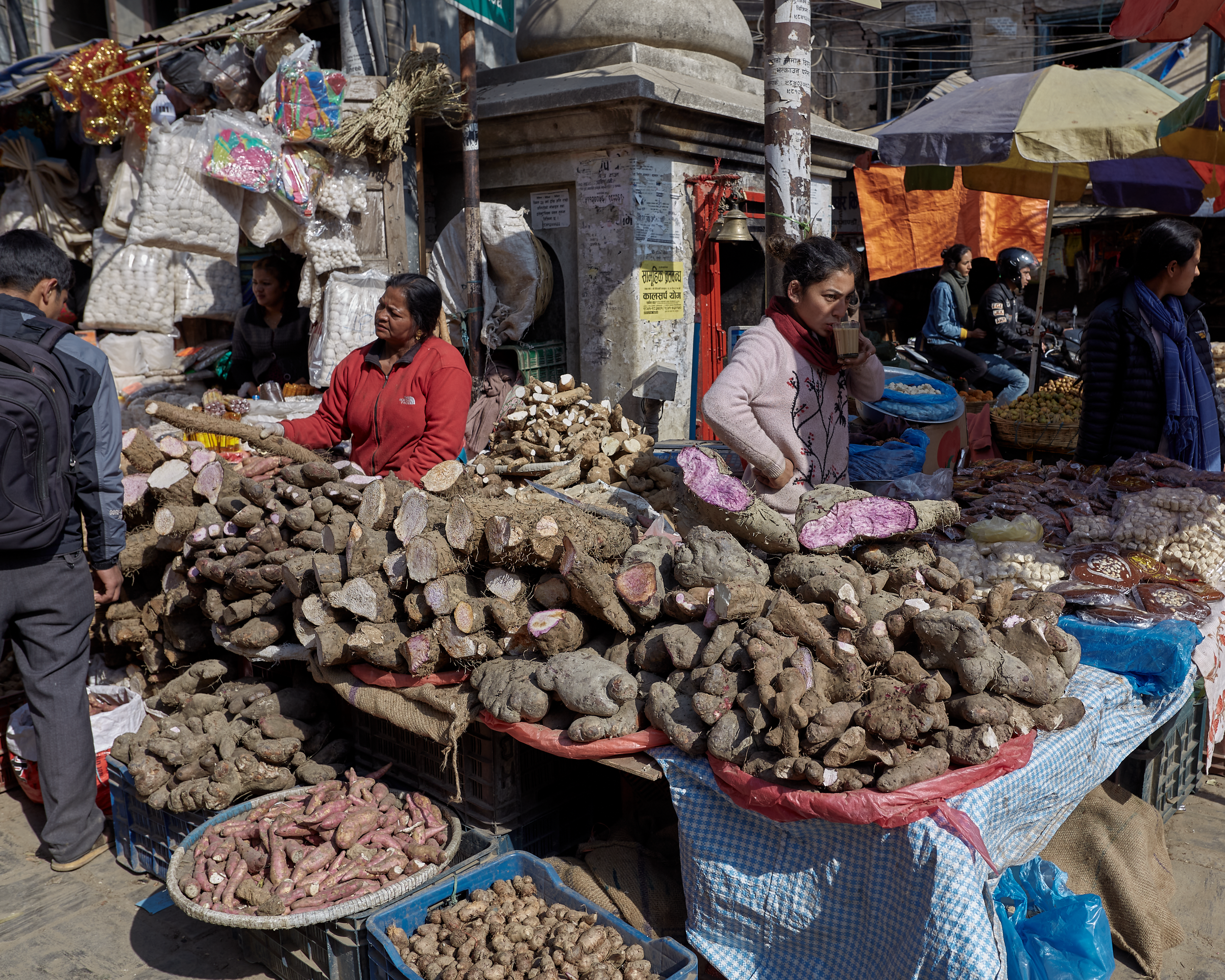
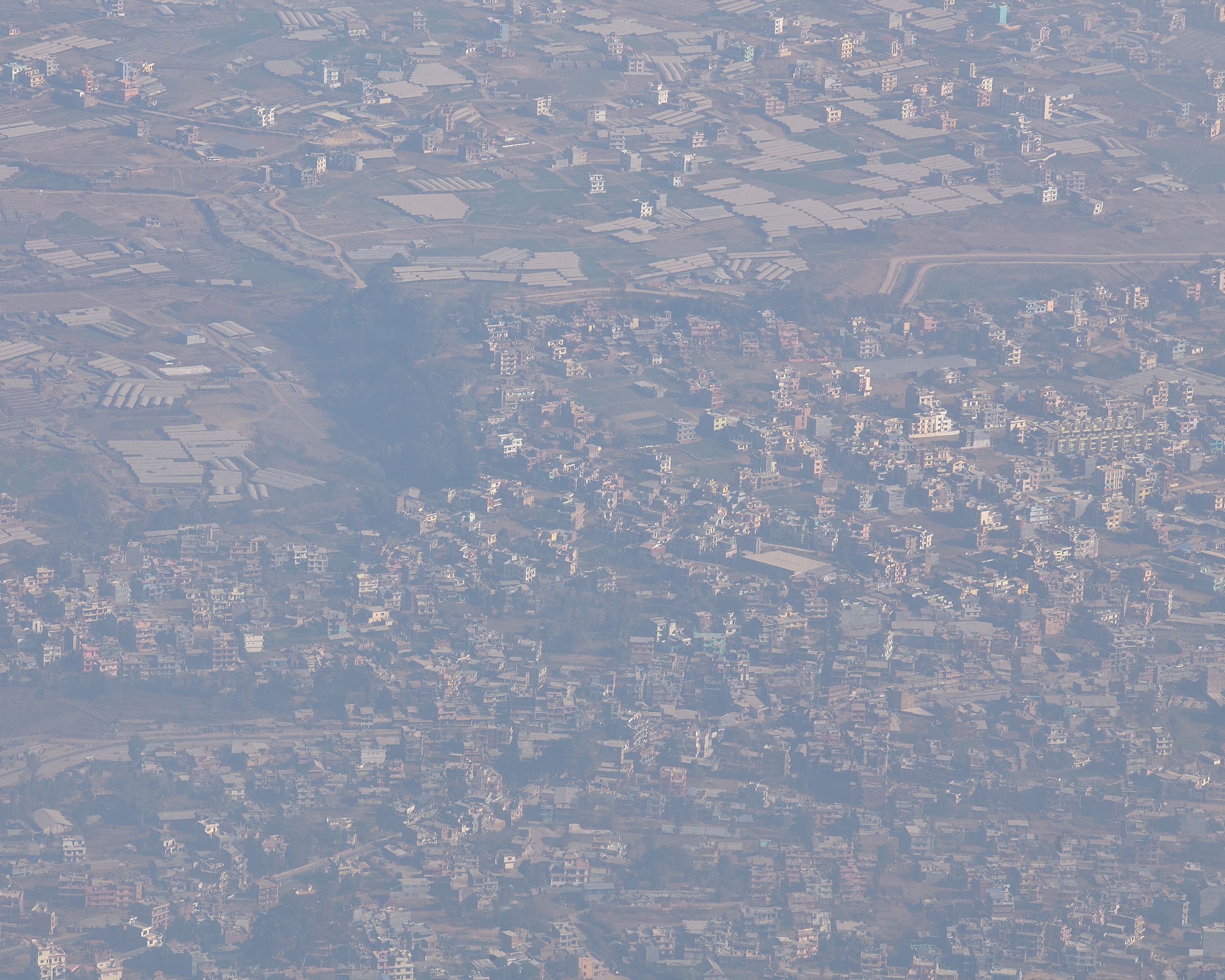
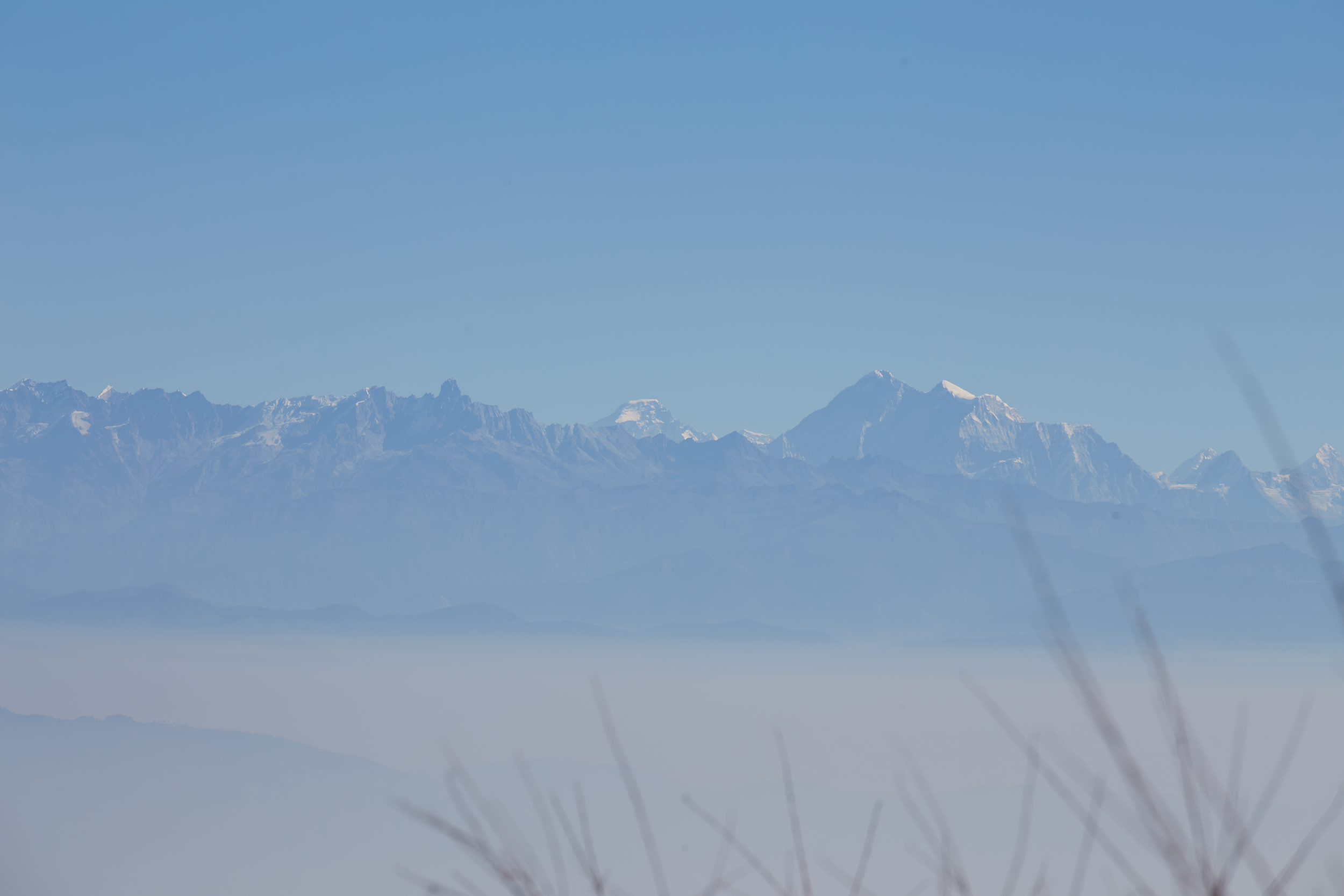
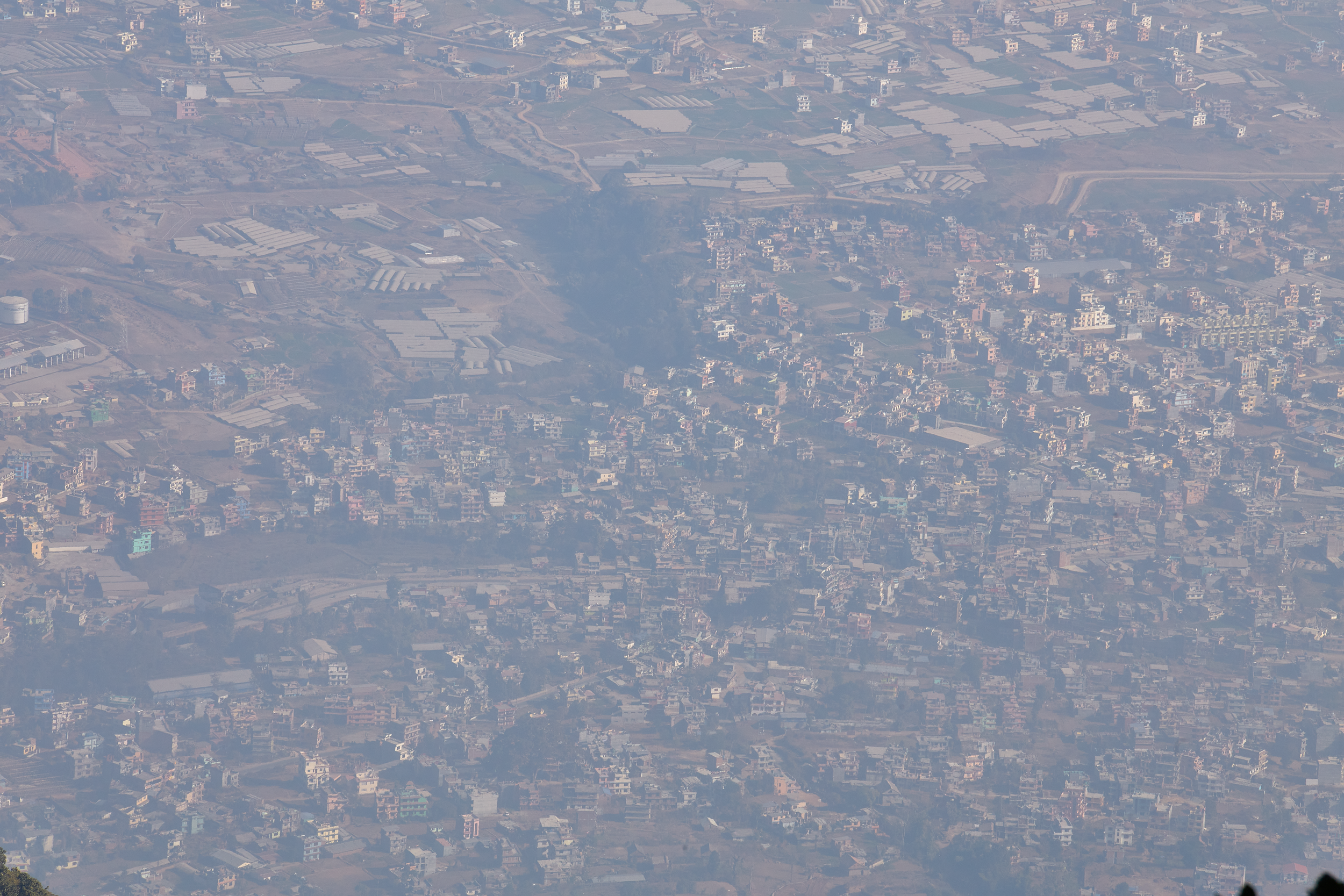
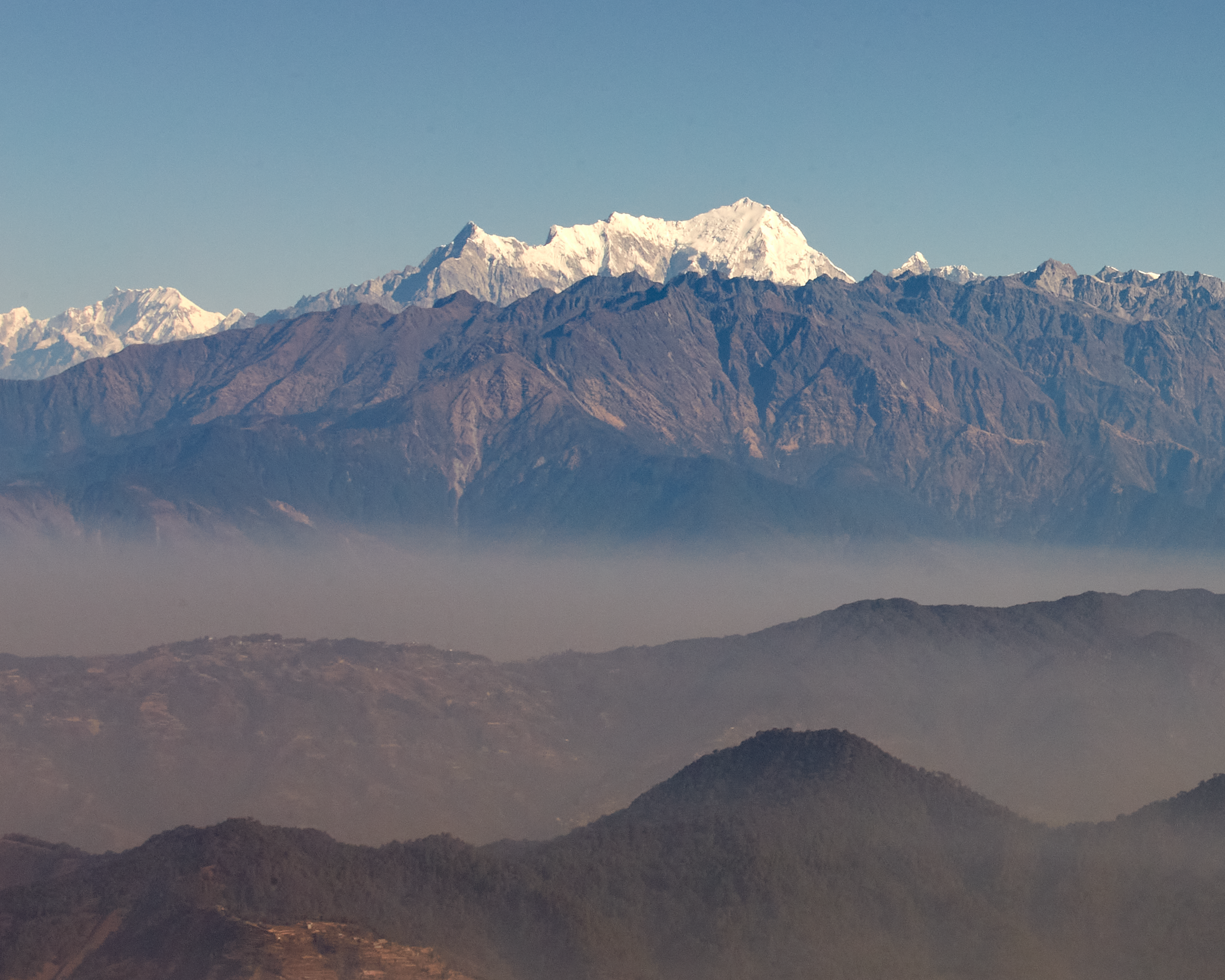
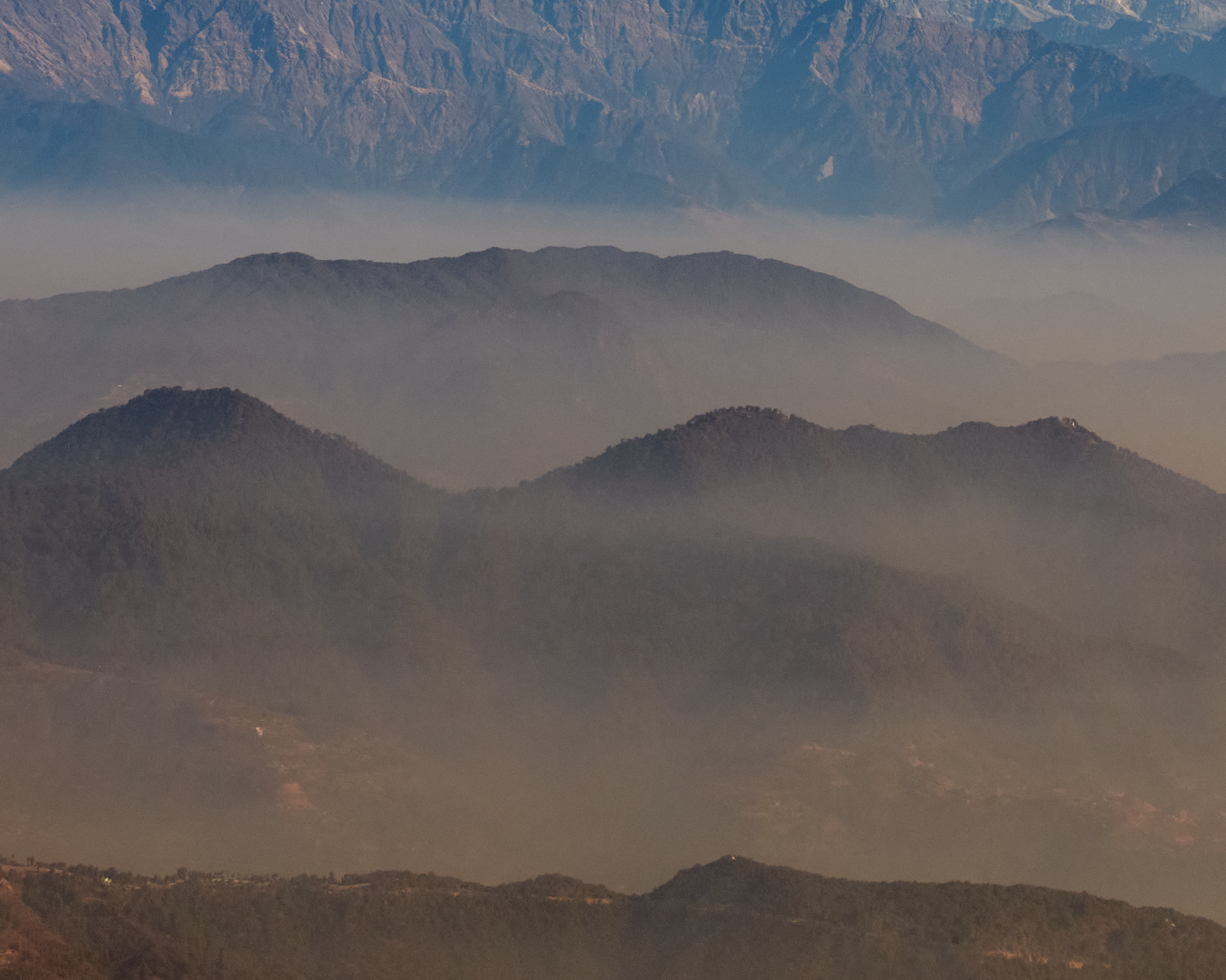
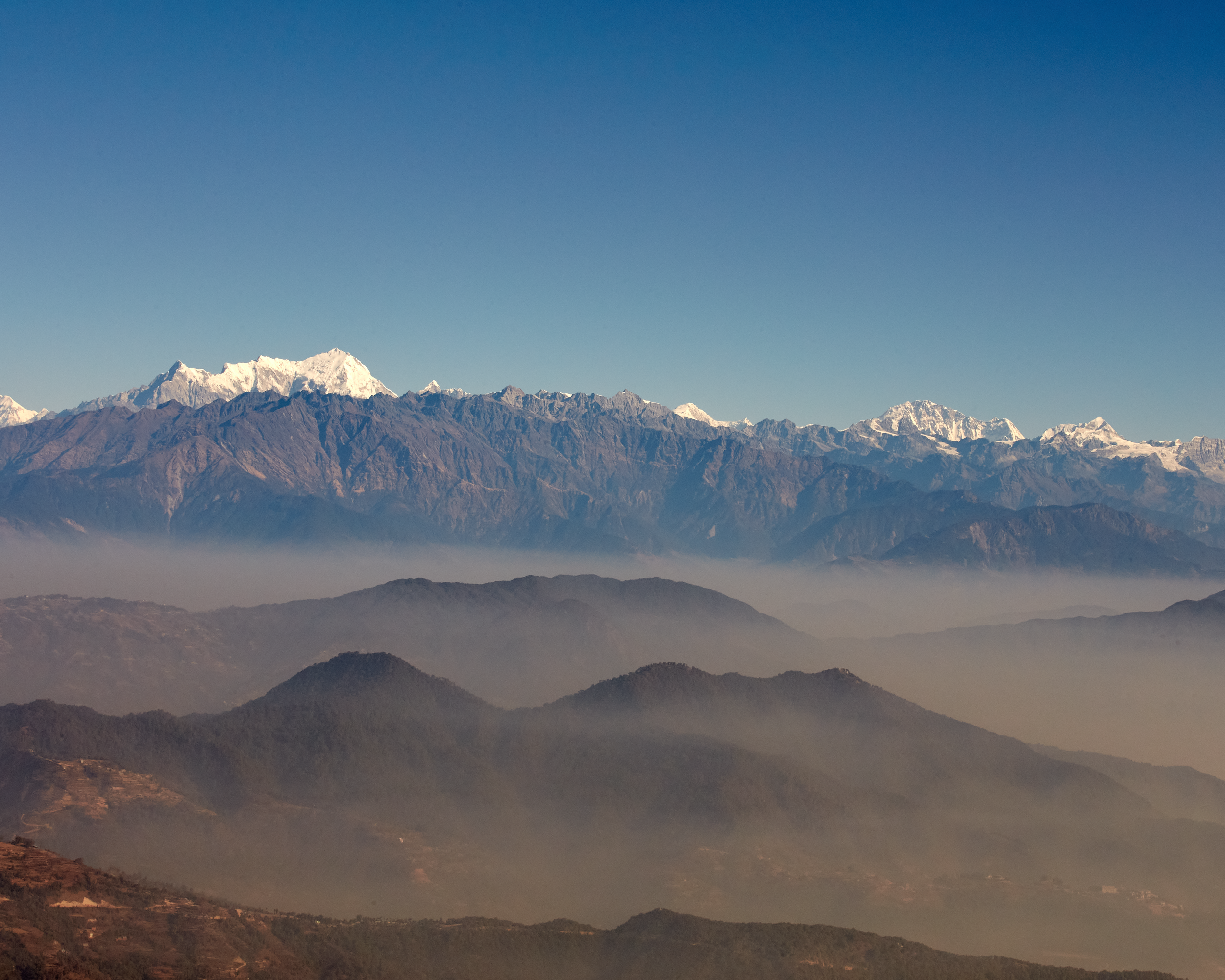
To give you an idea of how polluted the city is. Kathmandu lies in a valley surrounded by the Himalayas, so you can imagine how deep that valley is, and how trapped pollution could get in a bowl situation like that. I was in Kathmandu for one month before, I even saw the Himalayas from the city because of the deep, thick smog, which constantly blankets the city. In some of the images, you can clearly see the blanket hovering over the city, If you’re lucky you will see the mountains pop through the blanket which is quite a sight to behold, but also makes you painfully aware how thick the blanket really is to be able to block out such gigantic objects most of the time!
In the car on the way back down into the city, the transition from mountain air to city smog is almost impossible for the lungs to adapt to. It is thick, textured and flavoured.
Rising pollution levels have made the city one of the world’s most polluted, exacerbated by dry weather and urban dust. According to the https://www.iqair.com/au/world-air-quality-ranking website
Kathmandu’s air ranks at the 9th most polluted city in the world.
Structural damage has left many buildings leaning at odd angles, sometimes visibly unstable, sometimes braced with temporary bamboo supports. Building codes, and unchecked construction practices have contributed to the instability of structures, but it is also this fact with brings interest and beauty to the subject matter.
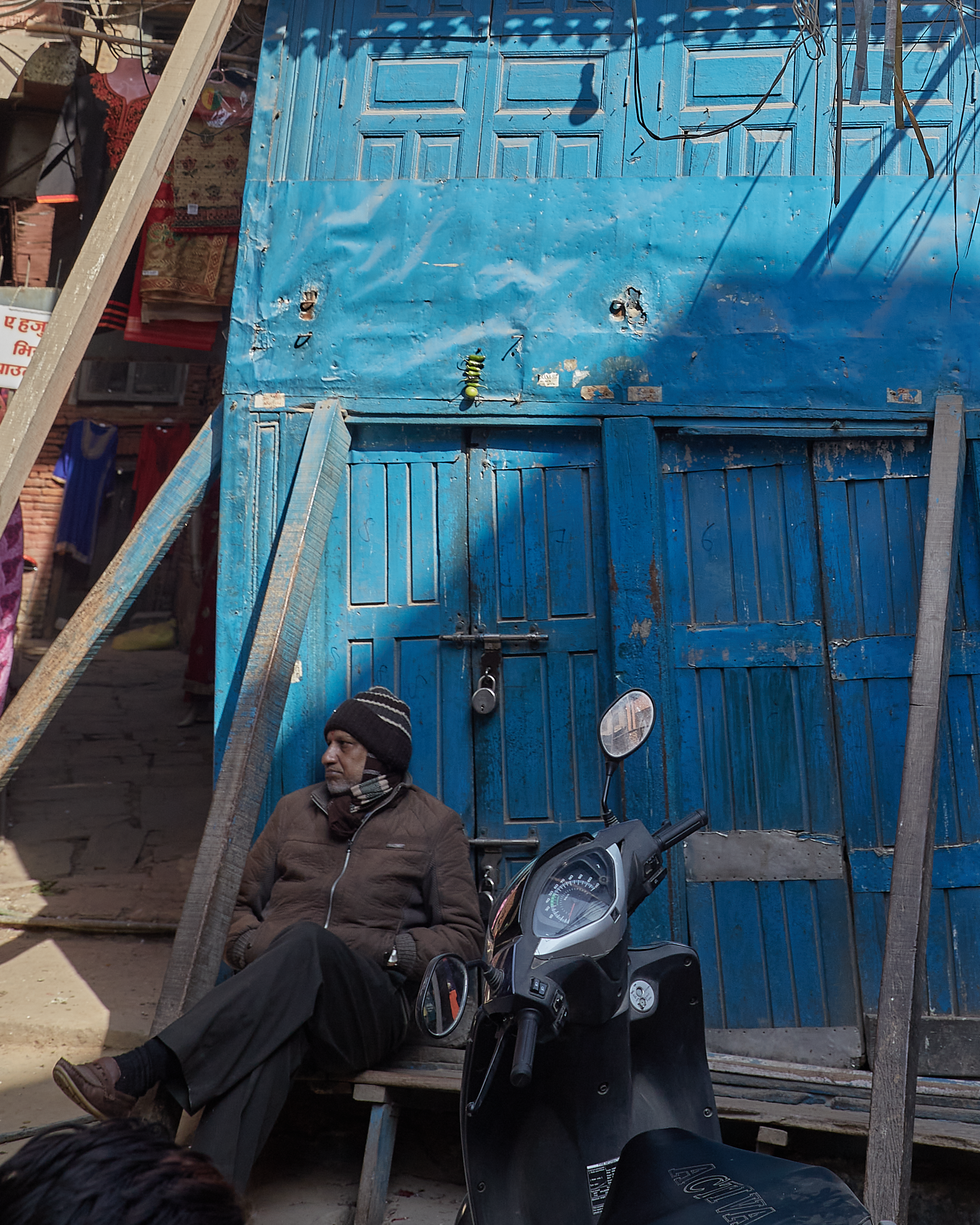
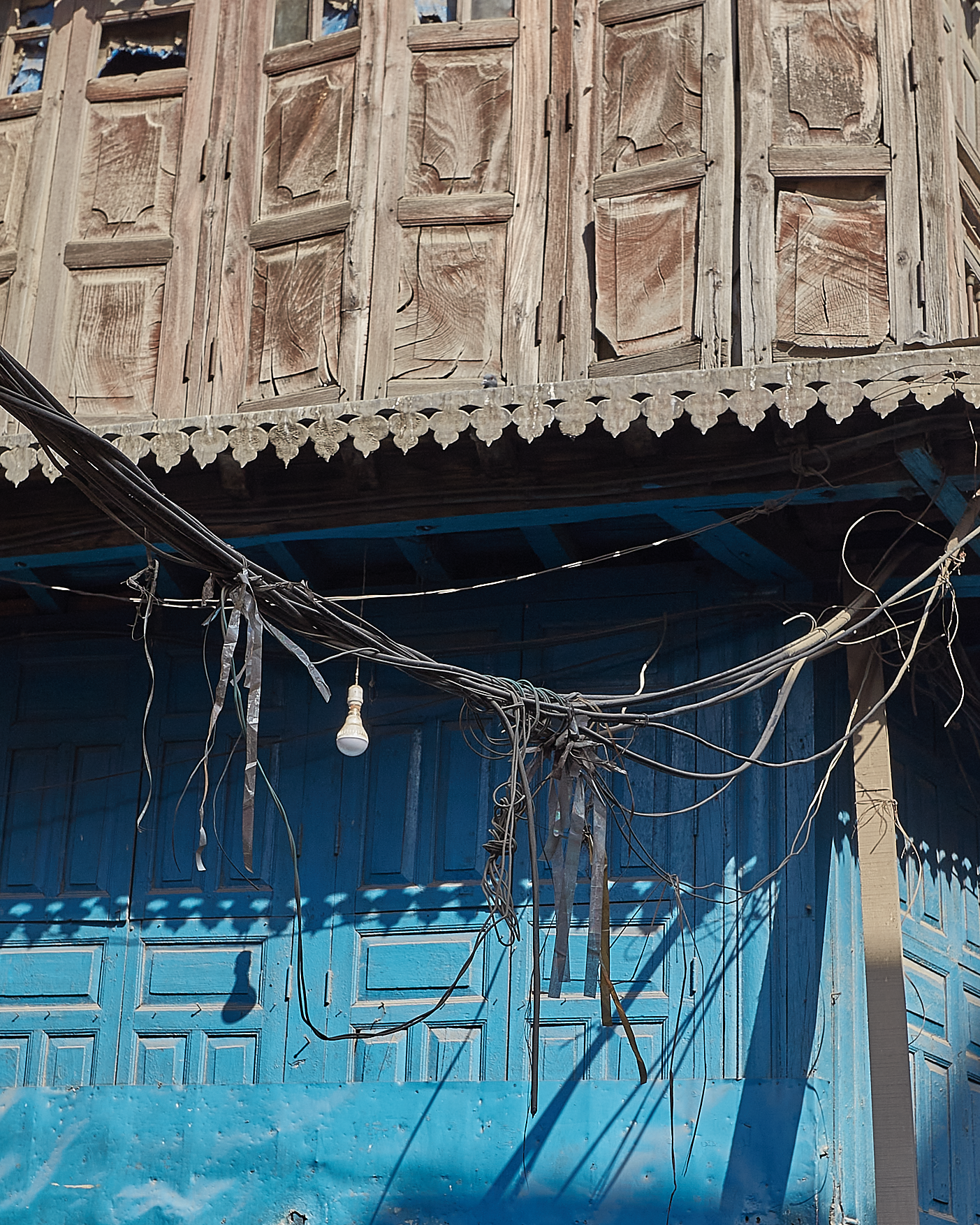
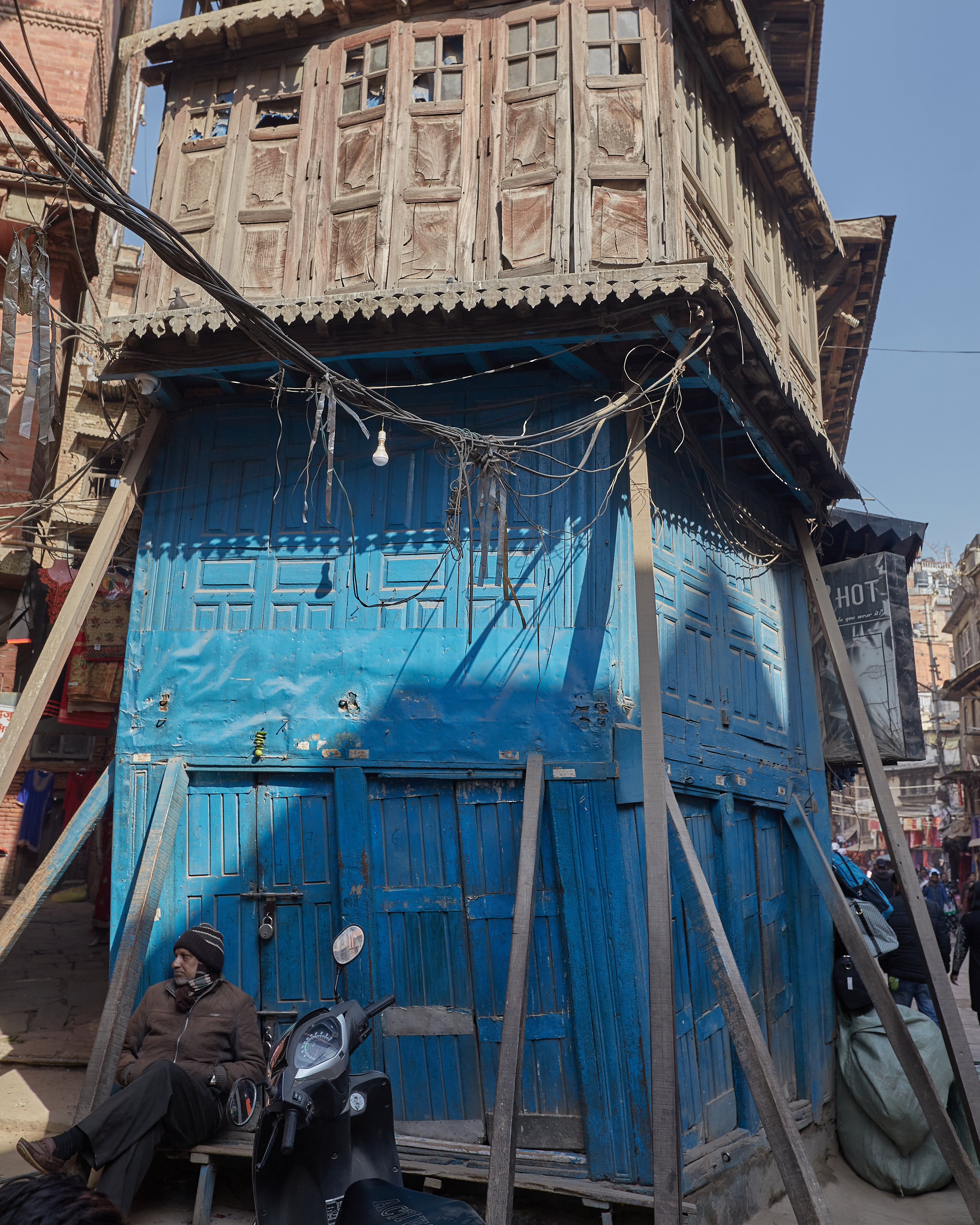
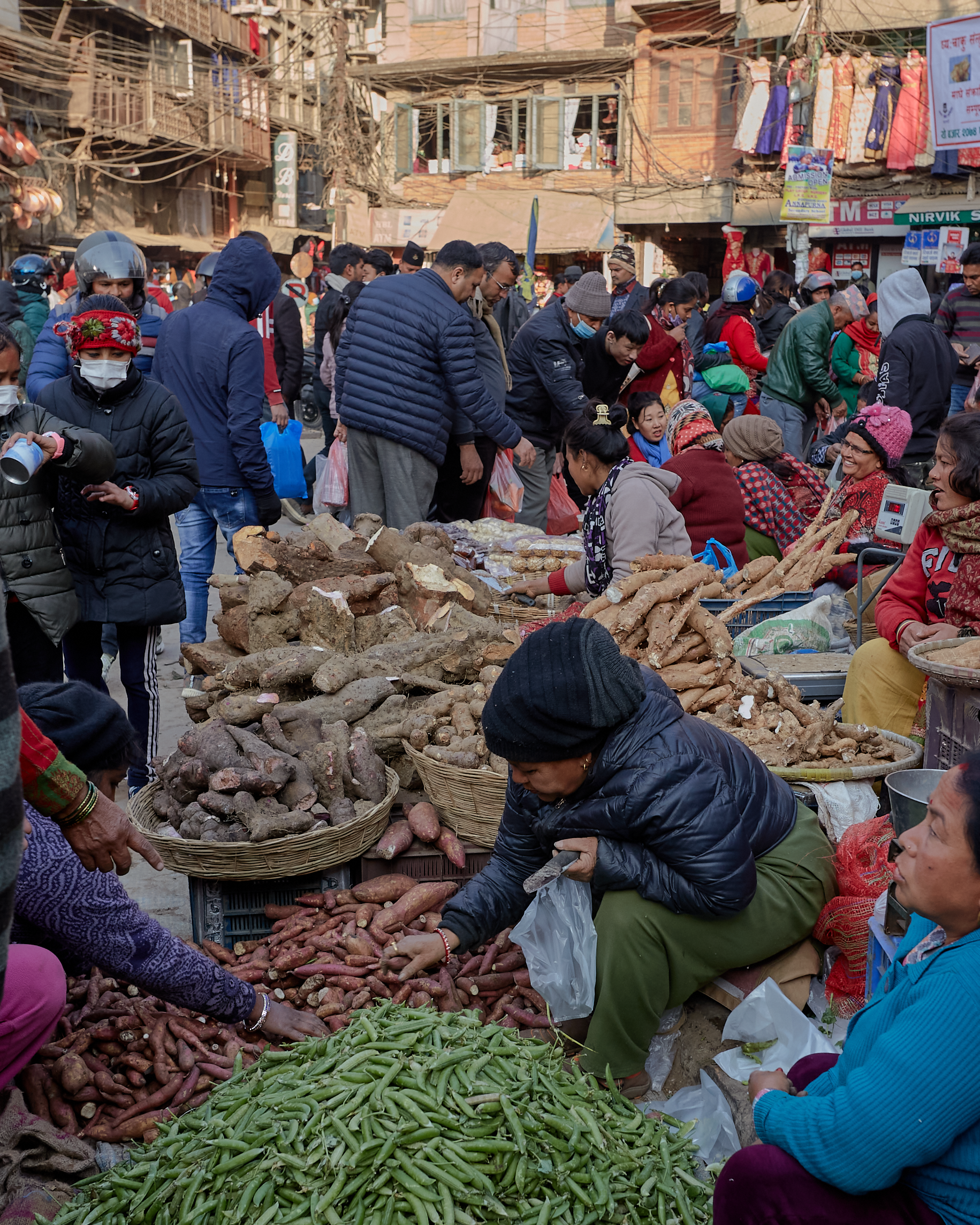
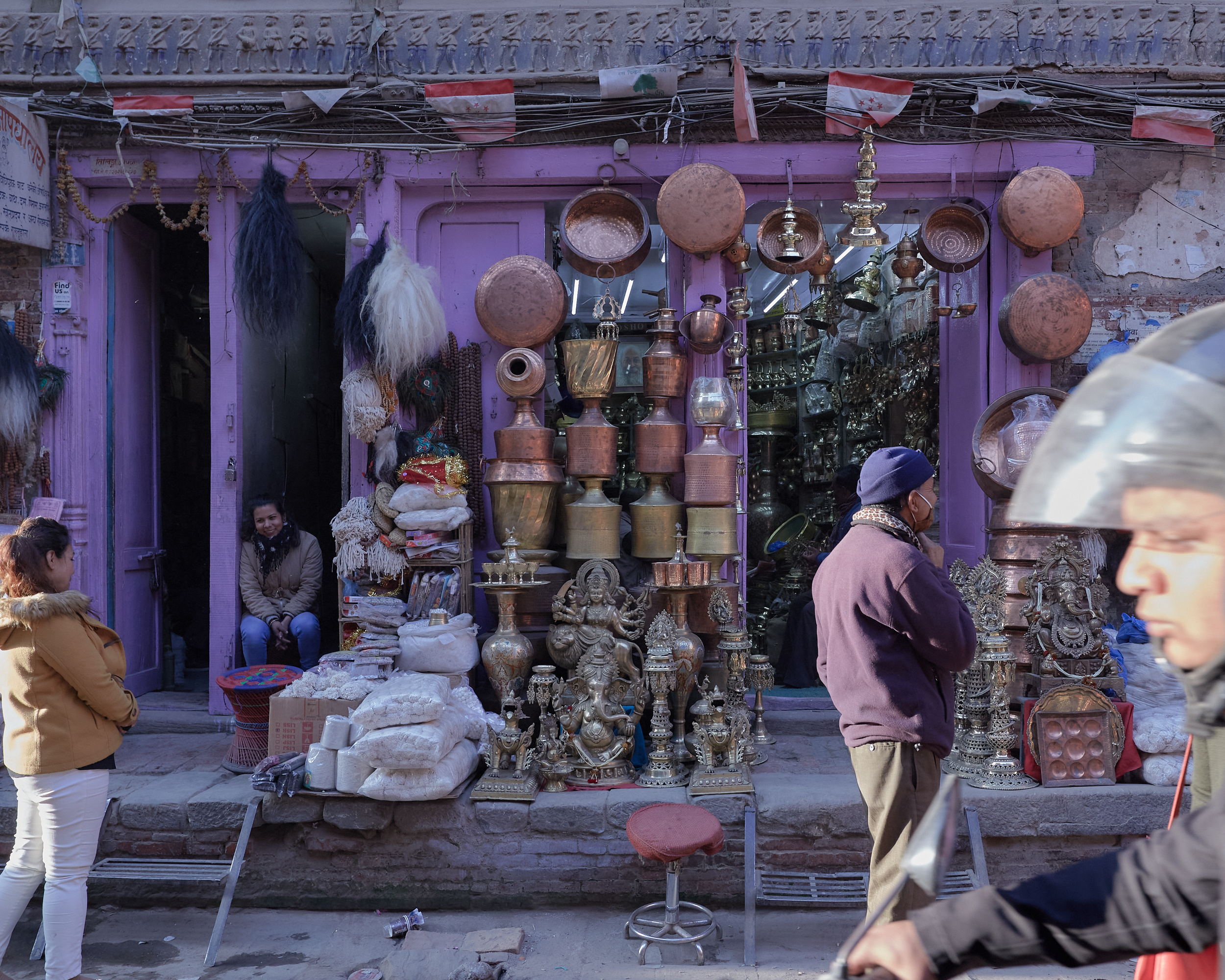
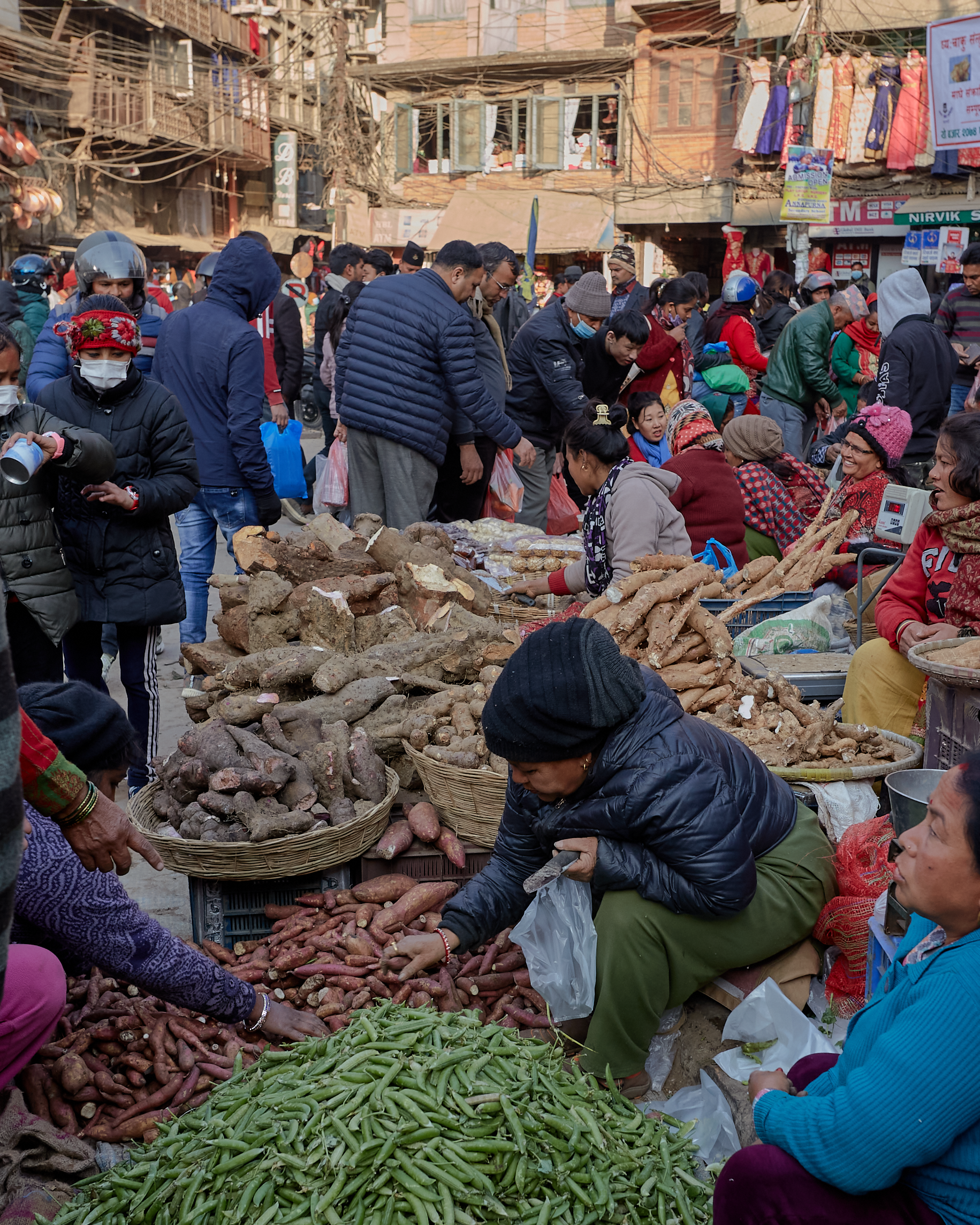
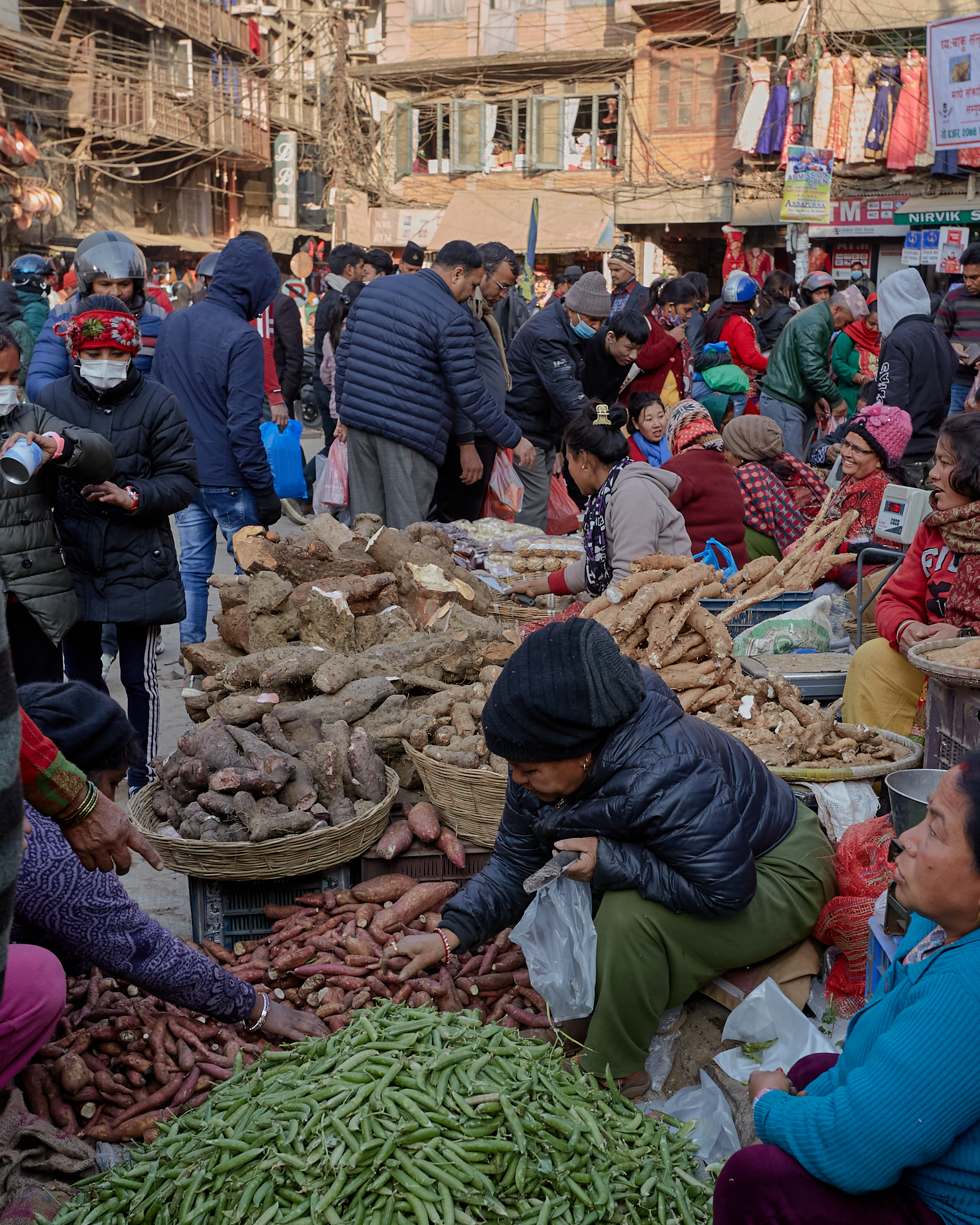
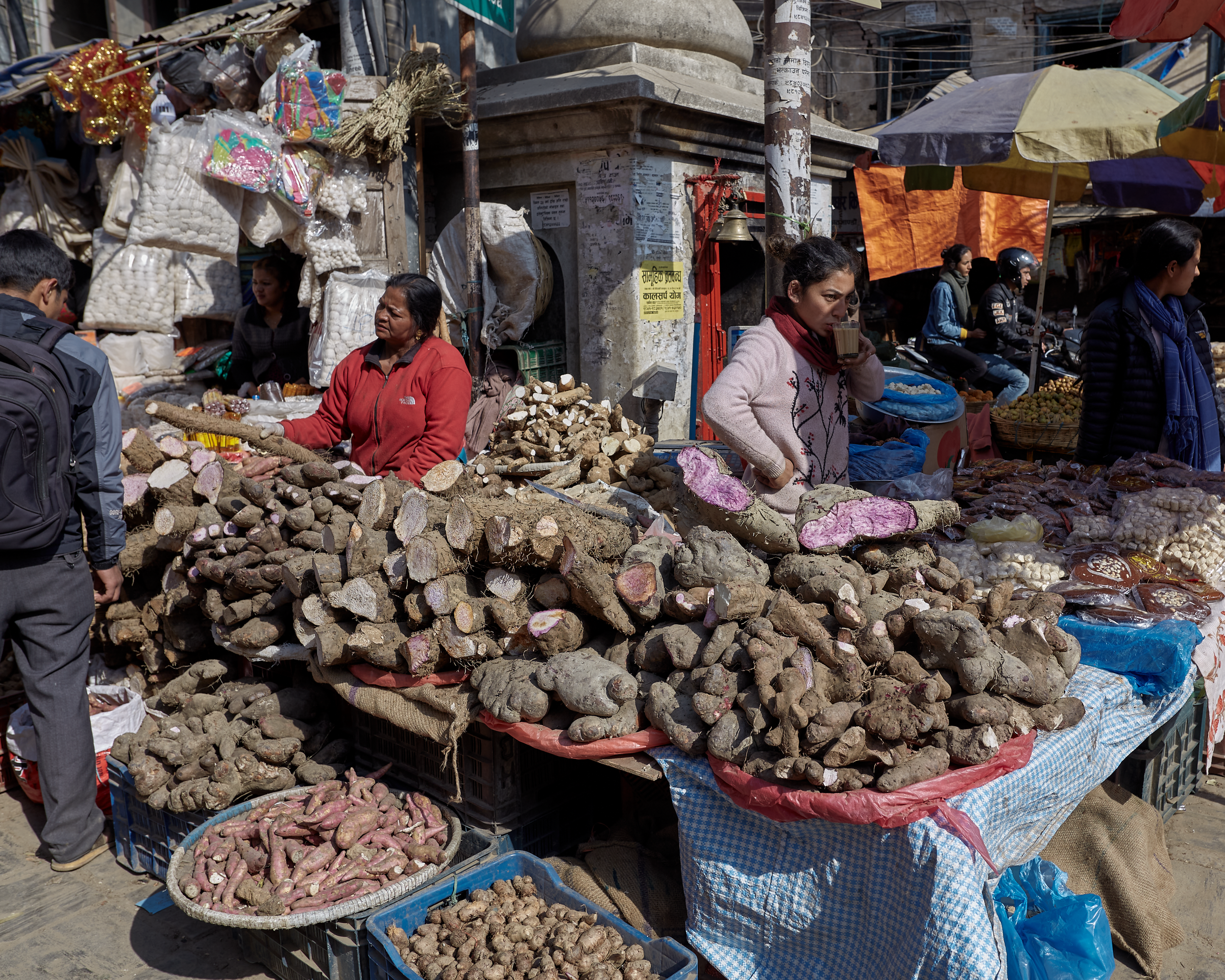
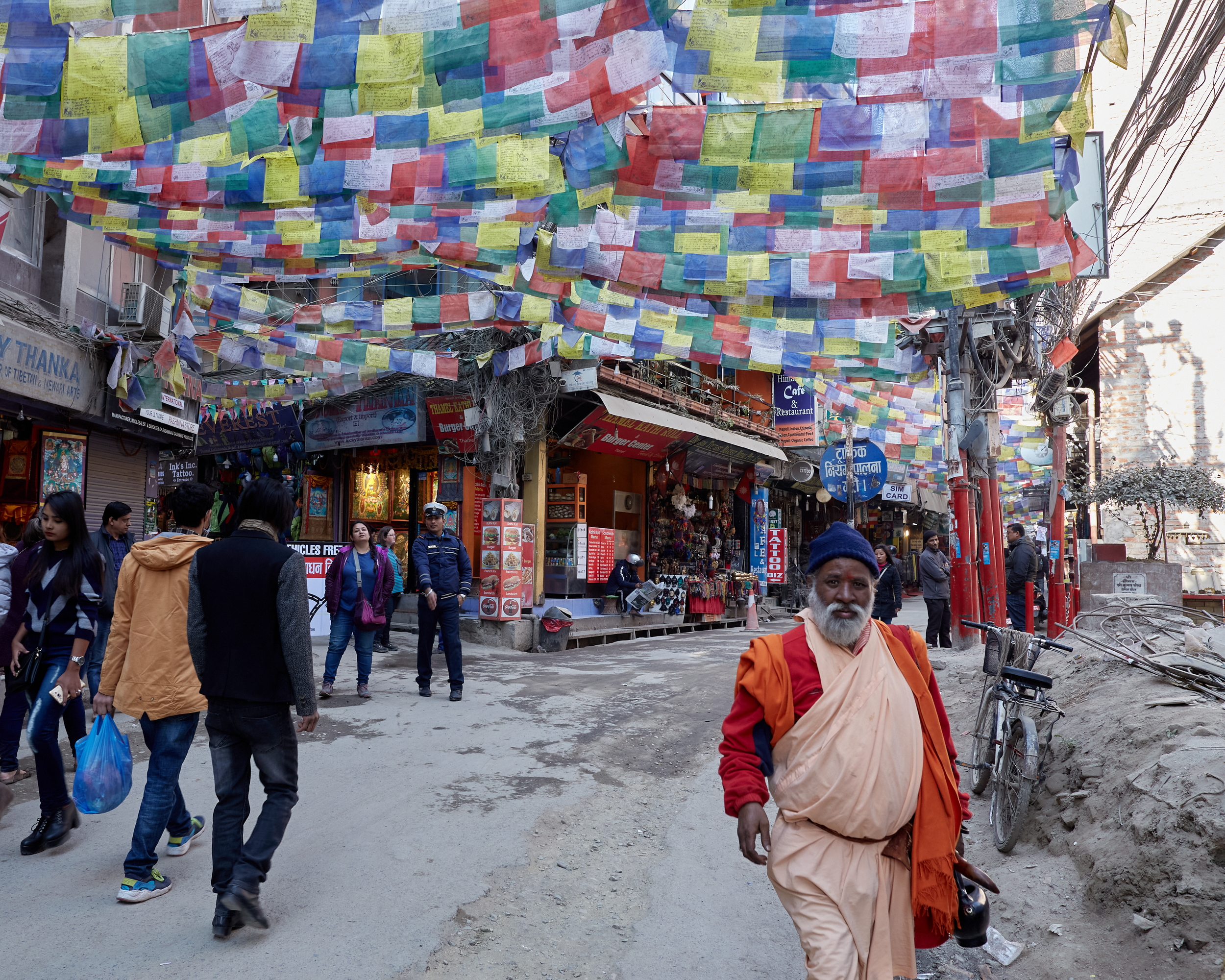
Residents continue to navigate narrow lanes lined with unstable facades. Markets bustle amid rubble and dust. The city’s resilience is interwoven with its scars and the beauty flows freely amongst the chaos.